
P0701: Transmission Control System Range/Performance?
When you purchase through links on our site, we may earn an affiliate commission. See our affiliate disclaimer for more information.
What does the P0701 Transmission Control System Range/Performance Mean?
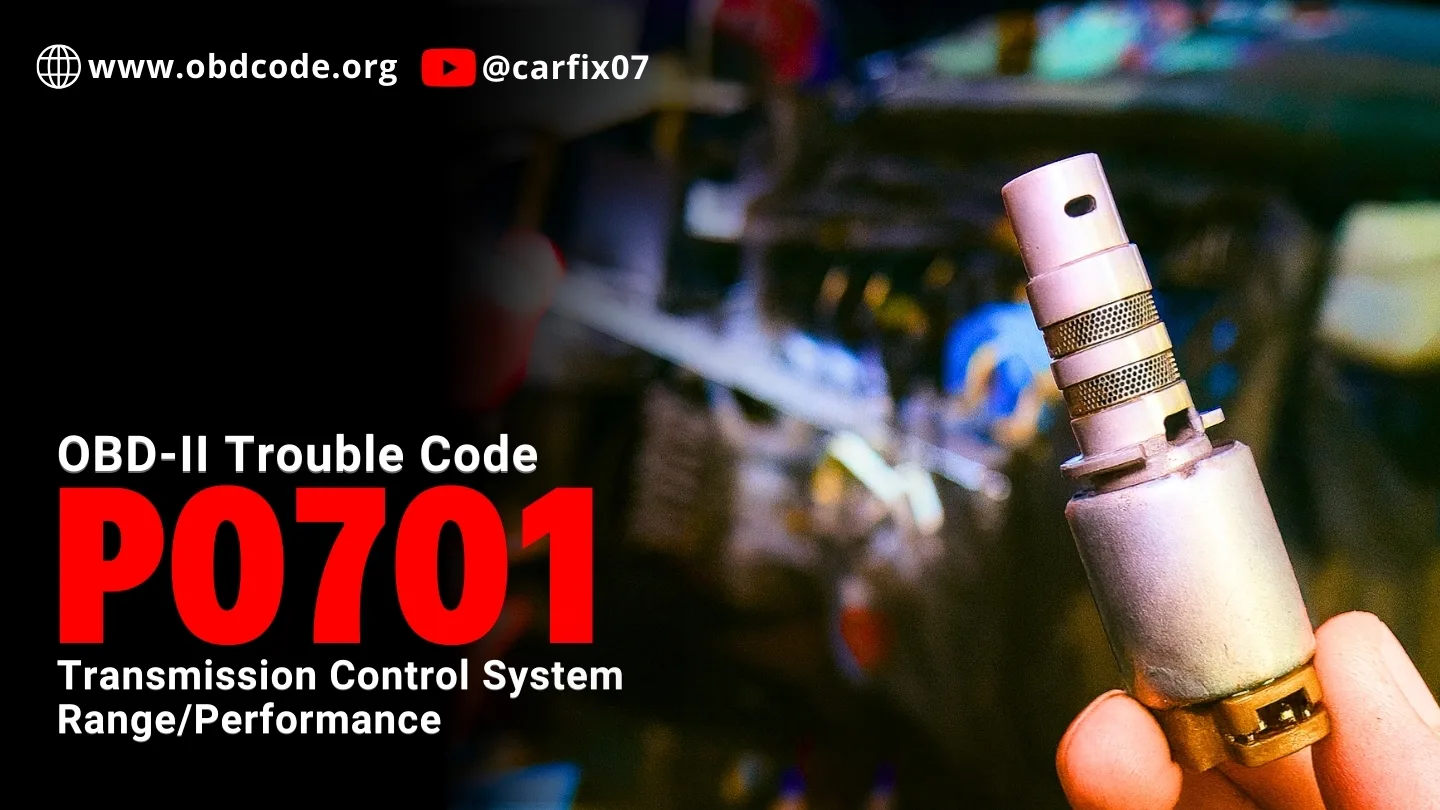
The P0701 code indicates that the Transmission Control Module (TCM) has detected a performance issue within the transmission control system.
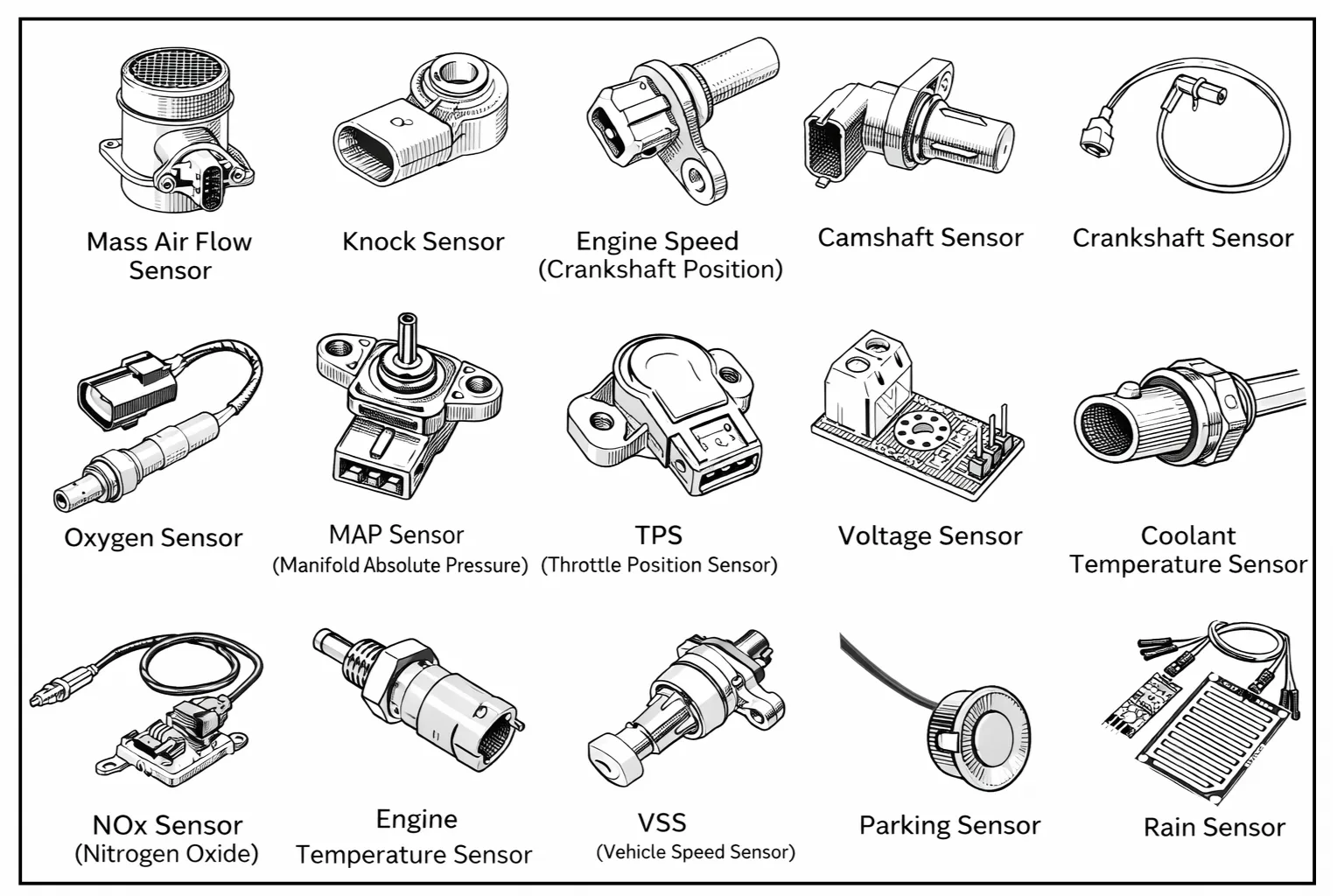
The TCM receives voltage signals from several engine sensors (such as throttle position, RPM, load percentage, and coolant temperature) and transmission sensors (such as pump pressure, input/output shaft speed, vehicle speed, torque converter lockup, and transmission temperature).
When any of these input signals are outside of the expected range, the TCM cannot properly control the transmission—and it triggers P0701.
Read our free complete guide on Kindle and learn how to diagnose sensor-related issues with clarity and confidence.
STOP GUESSING. START DIAGNOSING. SAVE HUNDREDS ON REPAIRS.
Tired of expensive repair bills and mechanics who “parts-cannon” your car without finding the real issue? The “Check Engine” light shouldn’t be a mystery. This guide puts professional-level diagnostics in your hands.
When the P0701 Triggers?
The TCM constantly monitors all sensors and actuators involved in shifting, clutch application, and line pressure control.
If the TCM detects abnormal readings—such as incorrect gear ratios, unexpected speed sensor values, or irregular solenoid behavior—it sends a fault message to the PCM.
Since many vehicles do not have a dedicated “Transmission Warning Light,” the PCM illuminates the Check Engine Light and stores P0700, P0701, or other related transmission codes.
P0701 is a generic range/performance code, meaning something in the transmission system is not operating within normal performance parameters.
Read more about:
Car Sensors Explained: What They Do and How to Diagnose Them
With the increasing use of electronic systems in modern vehicles,…
Never miss your vehicle service again. Download Carvio and easily track fuel usage, maintenance history, and service reminders to help keep your vehicle running smoothly.

How To Fix P0701?
Troubleshooting P0701 involves several steps, and we’ll discuss each one in detail. Let’s get started!
Before diving into specific repairs, perform an OBD-II scanner reset to clear the codes. Sometimes, these codes pop up due to recent maintenance work and can resolve themselves after a reset.
Read our free complete guide on Kindle and learn how to diagnose sensor-related issues with clarity and confidence.
STOP GUESSING. START DIAGNOSING. SAVE HUNDREDS ON REPAIRS.
Tired of expensive repair bills and mechanics who “parts-cannon” your car without finding the real issue? The “Check Engine” light shouldn’t be a mystery. This guide puts professional-level diagnostics in your hands.
To reset the error codes, use an OBD-II scanner. Simply connect the scanner to your vehicle, follow the instructions to clear the trouble codes, and see if the P0701 code reappears.
If the code comes back, it means there’s a persistent issue that needs further troubleshooting.
Possible Root Causes of P0701
Some common root causes of the P0701 error code include:
1. Electrical Problems
Damaged, corroded, or disconnected wiring can disrupt communication between the ECM and TCM. Issues such as rodent damage, frayed wires, loose connectors, or corrosion inside the harness can cause the TCM to malfunction and trigger the P0701 code.
Fix: Inspect the wiring harness and connectors related to the TCM, ECM, and transmission sensors. Look for:
- Broken or frayed wires
- Loose, bent, or corroded connector pins
- Damaged insulation
- Signs of rodent chewing
Use a digital multimeter (DMM) to check for:
- Continuity in wiring
- Proper ground
- Proper voltage supply
Repair or replace any damaged wiring or connectors as needed.
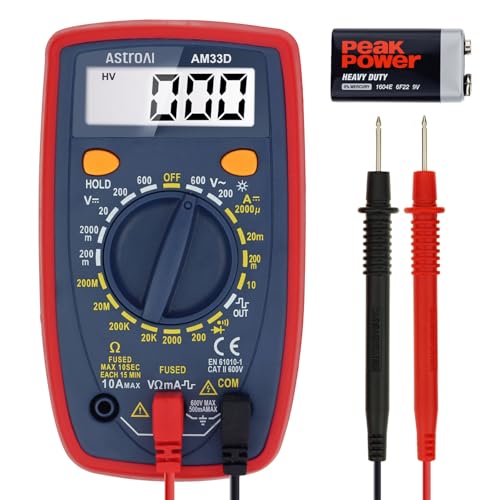
- Additional Tips – The following incorrect operations may cause the multimeter not to show results: Firstly, the plugs of…
- Versatile Digital Multimeter – Accurately measures AC/DC Voltage, DC Current, Resistance, and Diode. This Multimeter is …
- Troubleshooting with Accuracy – This Multimeter has a sampling speed of 2 times per second; Built-in a backlight LCD dis…
2. Low Automatic Transmission Fluid (ATF)
Low transmission fluid can cause overheating, gear slipping, and improper hydraulic pressure. When pressure drops below the expected level, the TCM may detect abnormal transmission operation and trigger the P0701 code.
Fix:
- Check the ATF level using the dipstick (if your vehicle has one).
- If the fluid is low, top it up with OEM-recommended transmission fluid only.
- Inspect for any leaks around transmission lines, the pan gasket, or the cooler—low fluid usually indicates a leak somewhere in the system.
- If the fluid level drops again after topping up, locate and repair the leak before continuing to drive.
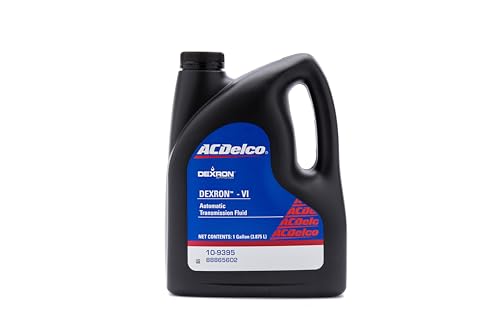
- Backward compatible with previous Dexron automatic transmission fluids and can be used as a much-improved replacement fo…
- Improved performance over previous Dexron fluids in: friction durability, viscosity stability, aeration and foam control…
- Potential to enable improved fuel economy and longer transmission life
3. Failing Shift Solenoids
Shift solenoids control gear engagement. A sticking or failed solenoid can cause erratic shifting or incorrect gear ratio readings.
Fix:
- Perform solenoid resistance testing
- Clean or replace faulty solenoids
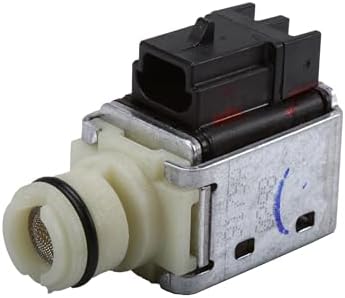
- GM-recommended replacement part for your GM vehicle’s original factory component
- Offering the quality, reliability, and durability of GM OE
- Manufactured to GM OE specification for fit, form, and function
4. Failing Speed Sensor (Input or Output Shaft Sensor)
If the speed sensors send incorrect values, the TCM cannot determine gear ratios or clutch slip.
Fix:
- Test both input and output speed sensors with a multimeter
- Replace defective sensors

- Direct replacement – this automatic transmission speed sensor matches the fit and function of the original equipment sen…
- Durable construction – this sensor is engineered to precise standards to ensure accurate signal output
- Easy installation – this sensor is installed using the original hardware and plugs into the vehicle’s existing wiring
